
Welcome to the Pollinator!
A weekly source of new ideas, content, and innovations.
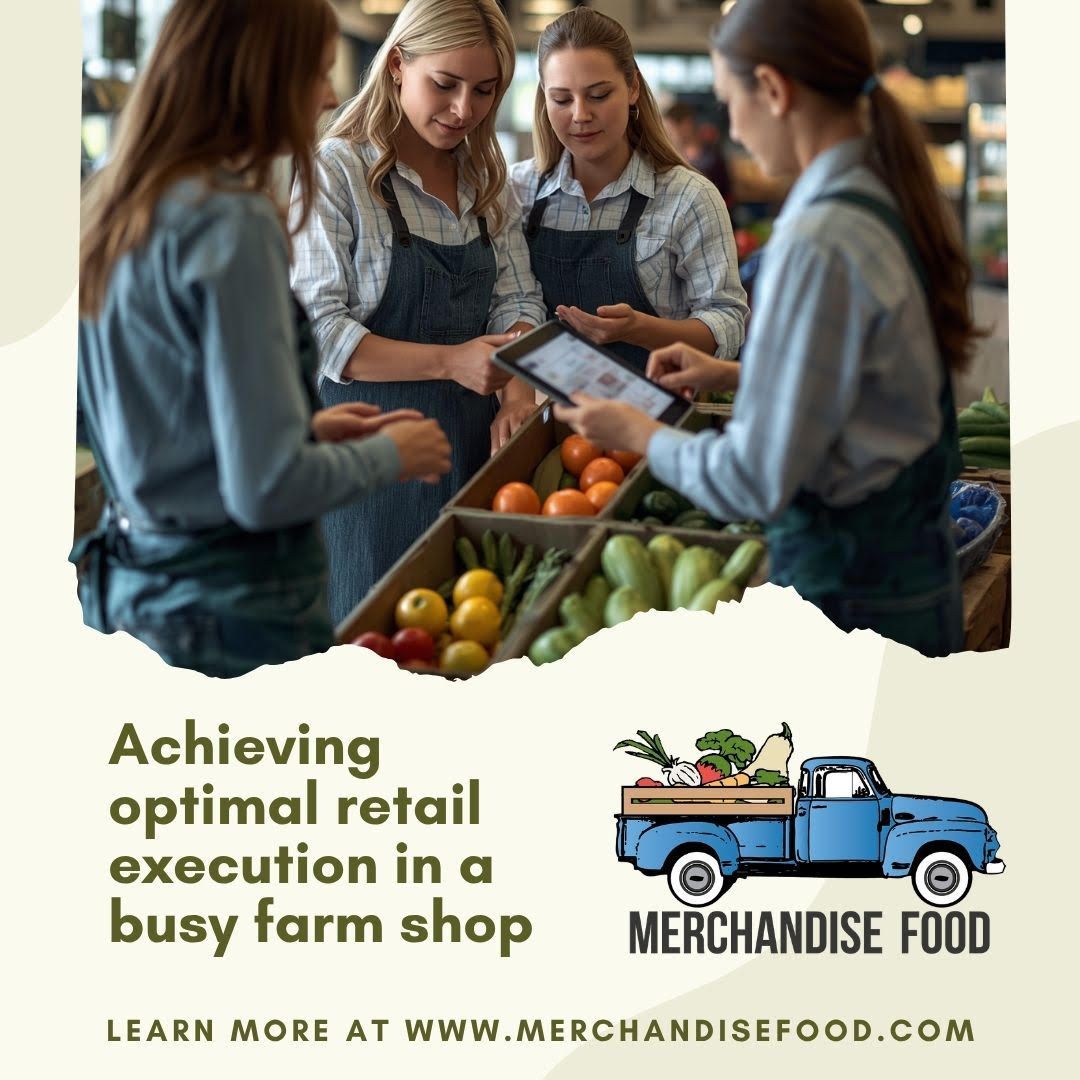
Industry Insights from Merchandise Food Written by by Dean Starros Automated Guidance Managing a farm shop requires constant human supervision. But consider driving in traffic: millions of people are automatically guided every day to navigate safely in highly complex environments. Farm shops should be operated similarly! Real-time operational guidance can systematically guide teams to complete work on time, with quality and precision, whether or not a supervisor is present. Effective Training Traditional training methods fall short in fast-paced retail environments. A more effective approach is to mimic a "basketball coach", by delivering quick, non-disruptive guidance while the game is on. This continuous reinforcement builds confidence, improves quality, and increases productivity. Risk & Liability: Automation can also be used to detect HR and operational risks, in order to prevent costly legal liability. At Merchandise Food, we help farm shops implement operational strategies to increase efficiency, improve quality and reduce risk. To learn more, visit us at https://merchandisefood.com/

At NAFDMA, we are always looking for ways to create more value for our members — not only through education and connection, but through opportunities that help your business grow stronger and more sustainable for the future. That is why we are EXCITED to share a new opportunitiy designed to support NAFDMA members. Goldman Sachs 10,000 Small Businesses Program — Available to NAFDMA Members at No Cost Running an agritourism business requires more than passion — it requires strategy, leadership, and a strong understanding of how to grow sustainably. That’s why we’re excited to share that NAFDMA members can participate in the Goldman Sachs 10,000 Small Businesses (10KSB) program completely free of charge. Goldman Sachs 10,000 Small Businesses is a national nonprofit initiative focused on strengthening local economies by supporting small businesses and the communities they serve. In partnership with Goldman Sachs, ICIC helps deliver this highly respected and competitive growth program designed specifically to help business owners build the skills, connections, and confidence needed to scale. What Makes the Program Valuable? Participants in the 10KSB program receive: A full scholarship funded by the Goldman Sachs Foundation — offered at no cost to the business owner Hands-on education focused on real business growth Practical, action-oriented learning designed for immediate implementation Curriculum covering real-world business skills such as: Negotiation Marketing Employee management Financial growth strategies Access to highly trained professionals who understand what it takes to grow a small business A powerful peer network of growth-minded business owners from across the country Real Results for Small Businesses The impact of the program speaks for itself. Within six months of graduating: 66% of participating businesses report increased revenues 44% report adding new jobs Programs like this provide business owners the opportunity to truly work on their business — not just in it. For agritourism operators balancing operations, staffing, guest experience, marketing, and long-term planning, this kind of focused business development can be transformational. Learn More & Apply To learn more about the Goldman Sachs 10,000 Small Businesses program or begin the application process, visit: 10,000 Small Businesses Application We encourage NAFDMA members to explore this incredible opportunity and consider how investing in your leadership and business growth today can shape the future of your operation tomorrow. At NAFDMA, we believe strong businesses create stronger farms, stronger destinations, and stronger communities. We’re proud to continue connecting members with opportunities that support growth, innovation, and long-term success across the agritourism industry.
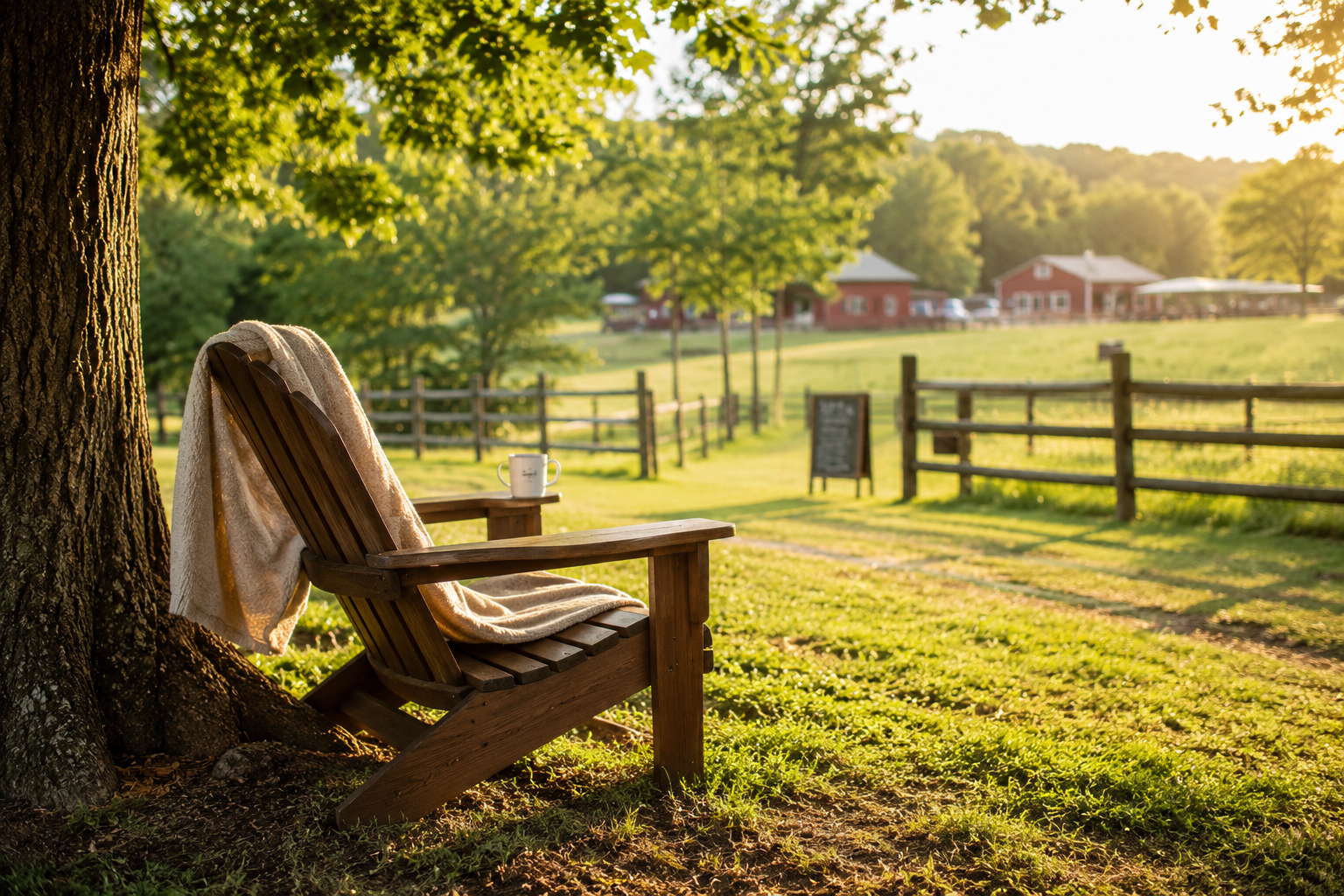
Consider This Your Permission — and Invitation — to PAUSE
Guest post from John Stanley
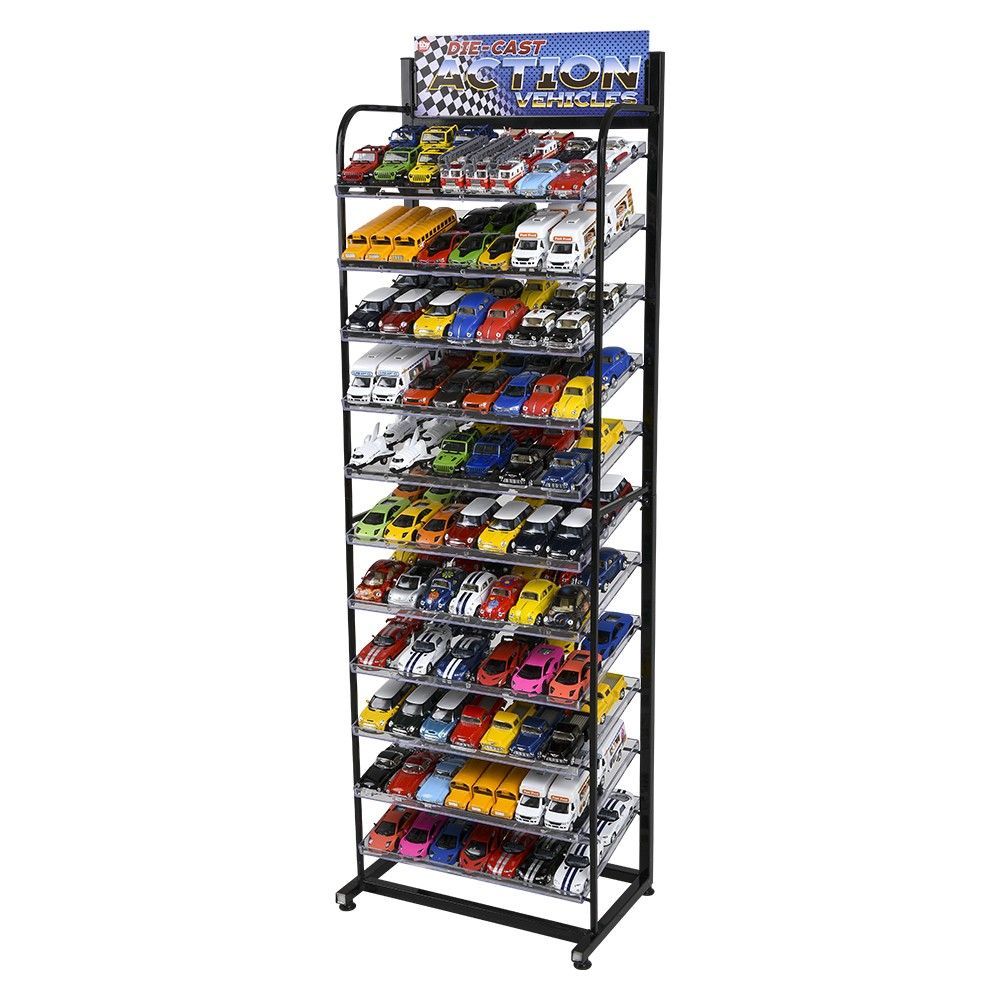
For our industry spotlight this month, we are excited to share ideas and info from The Toy Network . Insights from The Toy Network Whether you’re an established farm store or just starting out and you’re interested in carrying toys, our Toy Stack and Die-Cast displays may be an ideal solution when dealing with limited space. In retail, it’s all about sales per square foot. With our Toy Stack display, you get 24 different impulse items in just two square feet! It would take more than 40’ to merchandise the same number of items on a shelf. The Toy Stack is an important profit center for your farm store business, as the items in the display average less than $2.50 at wholesale. In addition to The Toy Stack, our Die-Cast display features 13 different vehicles that can all be merchandised on our metal die-cast display. We offer a pre-packaged assortment of vehicles and have more than 200 high quality die-cast vehicles to select from when you need to fill in on your display. Stop by our user-friendly ecommerce website and shop our more than 4,000 products where at just $250, we offer free freight, or visit us on Faire. Furthermore, if you’d like to have one of our 85 sales reps across the country stop in to meet with you, please let us know. More information is available at www.thetoynetwork.com .
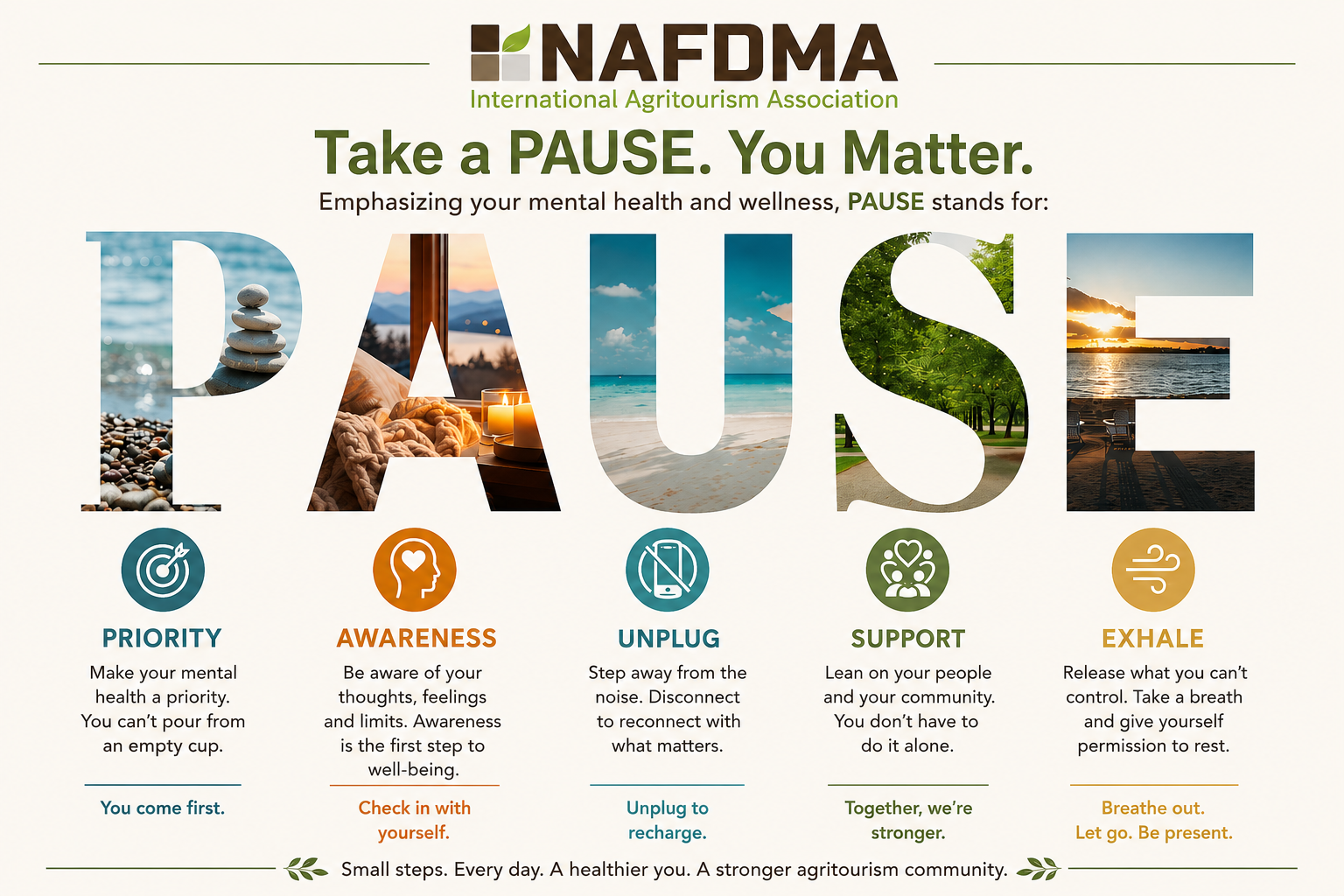
In recognition of May as Mental Health Awareness Month, we have launched a new web page to encourage community connection and support those needing mental health tools and resources. You'll find a curated collection of online inspiration and resources for navigating the stress of owning and managing a farm, developing a work-life balance and encouraging everyday mindfulness. The resources featured here are accessible and available to all regardless of membership with NAFDMA as part of our PAUSE initiative. Emphasizing your mental health and wellness, PAUSE stands for: Priority, Awareness, Unplug, Support and Exhale. NAFDMA debuted its PAUSE initiative at the 2026 Agritourism Convention and Expo with the PAUSE Wellness Lounge - an intentional space to rest and recharge during the Convention.
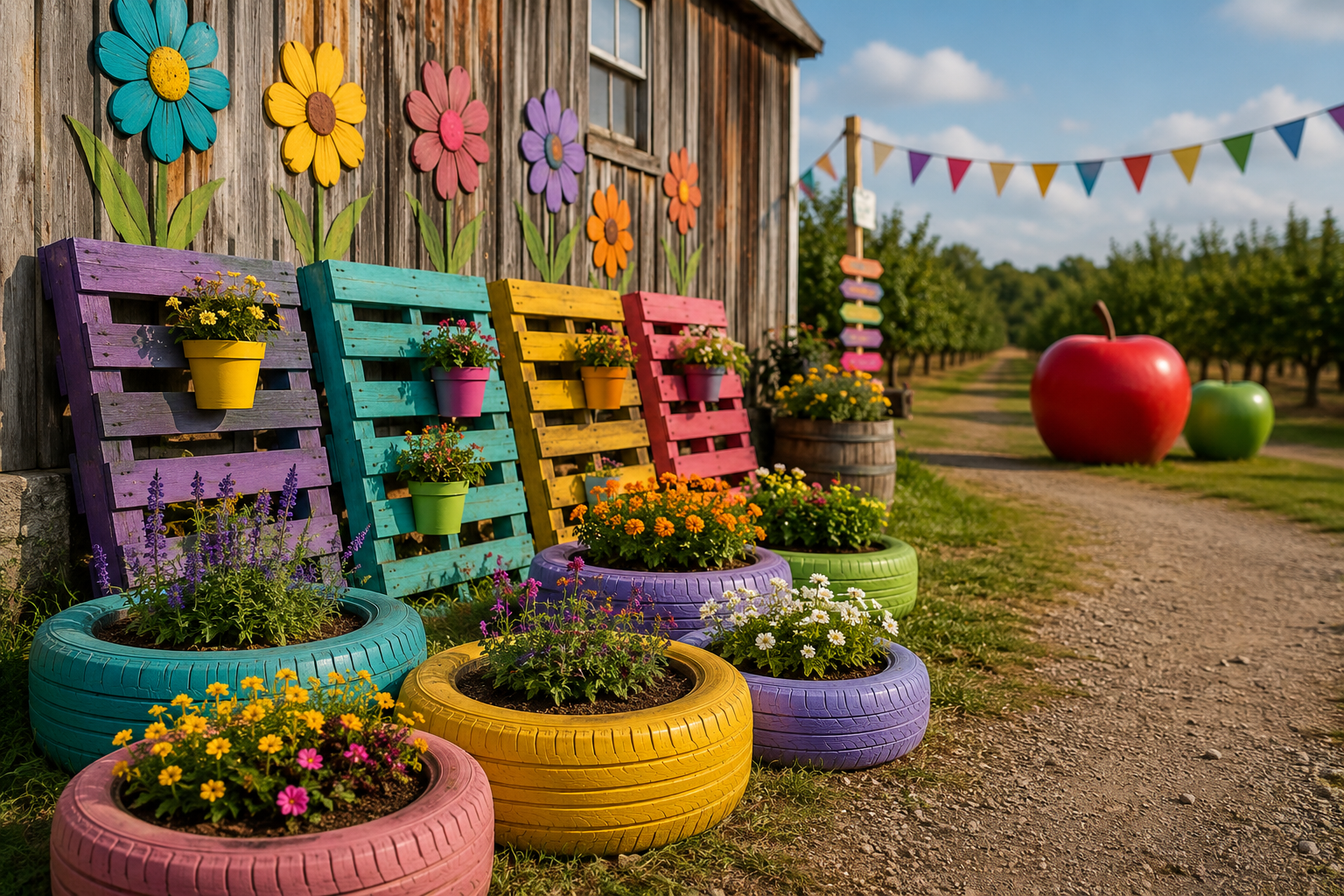
What makes a farm feel joyful?
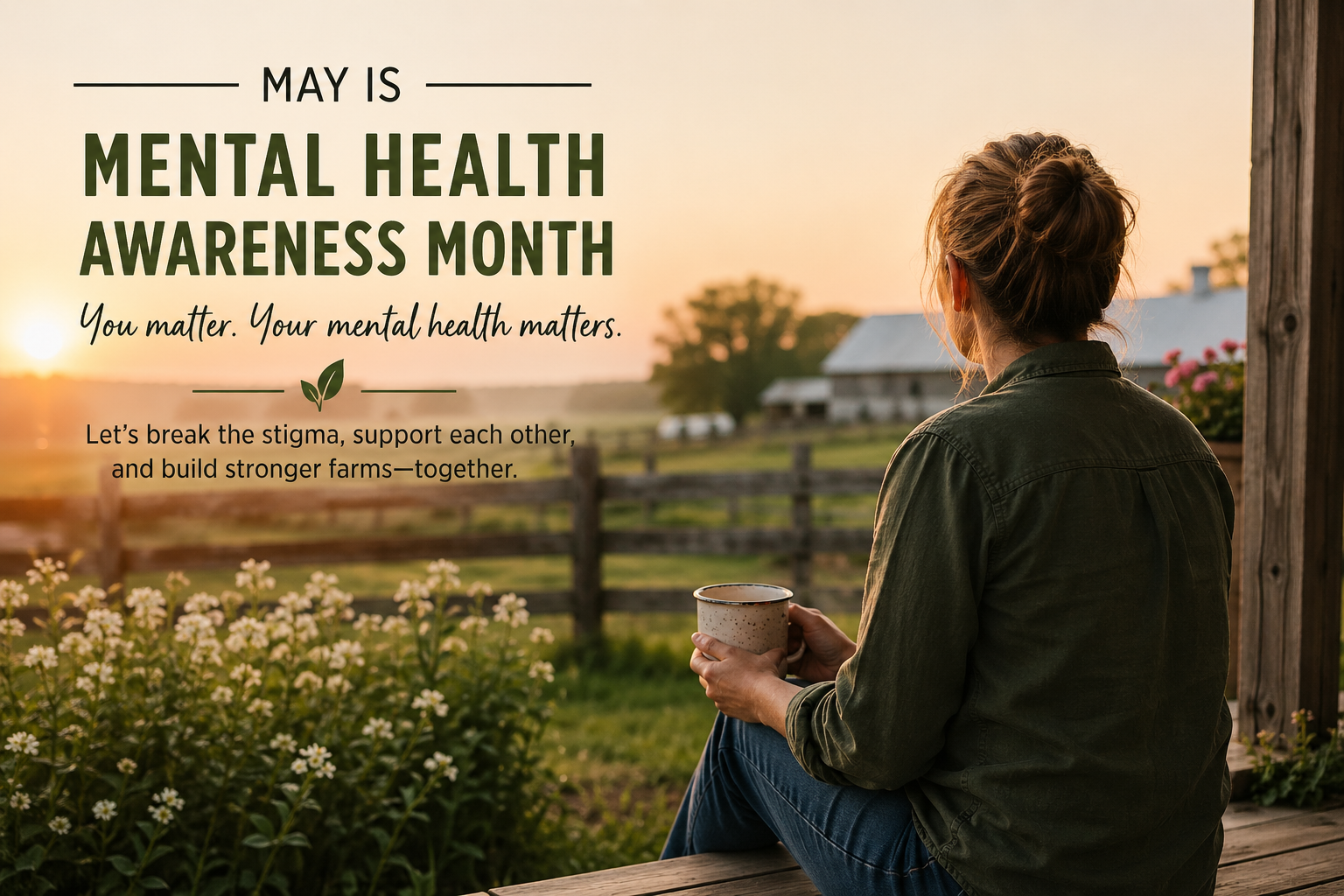
May is Mental Health Awareness Month—a time to bring conversations about mental health out into the open. For those in agriculture, these conversations are more important than ever. Farming is more than a job—it’s a lifestyle, a legacy, and often a calling. But behind the early mornings, long days, and deep connection to the land, there’s a reality we don’t always talk about: farm stress is real, and it’s rising. The Reality: Mental Health in Agriculture Farmers and agricultural workers face unique pressures that can take a serious toll on mental health: Financial uncertainty and fluctuating markets Weather dependency and climate stress Long hours with little time off Physical isolation and limited access to care Generational expectations and legacy pressure And the data reflects this challenge: Farmers are 3.5 times more likely to die by suicide than the general population Suicide rates in rural America have risen sharply, increasing nearly twice as fast as urban areas Agriculture consistently ranks among the highest-risk occupations for suicide This isn’t just a statistic—it’s a reminder that many in our communities are carrying heavy, unseen burdens. Why It Matters for Agritourism & Farm Businesses Mental health doesn’t just affect individuals—it affects your entire operation. When stress goes unaddressed, it can impact: Decision-making and business growth Customer experience Family dynamics Employee well-being Just like your crops or livestock, your well-being needs care and attention to thrive. What Balance Can Look Like Here are a few realistic ways to support mental wellness on the farm: 1. Redefine “Balance” Balance doesn’t mean equal time—it means sustainable energy. Some seasons will demand more, and that’s okay. 2. Build Micro-Breaks Into Your Day Even 10 minutes to step away, hydrate, or reset can make a difference during peak seasons. 3. Stay Connected Isolation is one of the biggest risk factors in agriculture. Make intentional time to connect with anyone who brings you peace and joy. 4. Normalize the Conversation Talking about stress doesn’t make you weak—it makes you human. The more we talk, the more we reduce stigma. Resources for Farmers & Rural Communities If you or someone you know is struggling, help is available—and it’s designed specifically for agricultural communities: Farm State of Mind (American Farm Bureau Federation) Farm and Ranch Stress Assistance Network (FRSAN) National Suicide & Crisis Lifeline (Dial 988 in the U.S.) Local extension offices Rural health programs USA and Canada Many of these programs recognize that farmers face unique, industry-specific stressors and offer support tailored to that reality. A Final Thought Mental health is just as important as physical safety on the farm. This May, during Mental Health Awareness Month, consider this your reminder: Check in with yourself Check in with your neighbors And know that you’re not alone Because behind every successful farm is a person—and that person matters most.
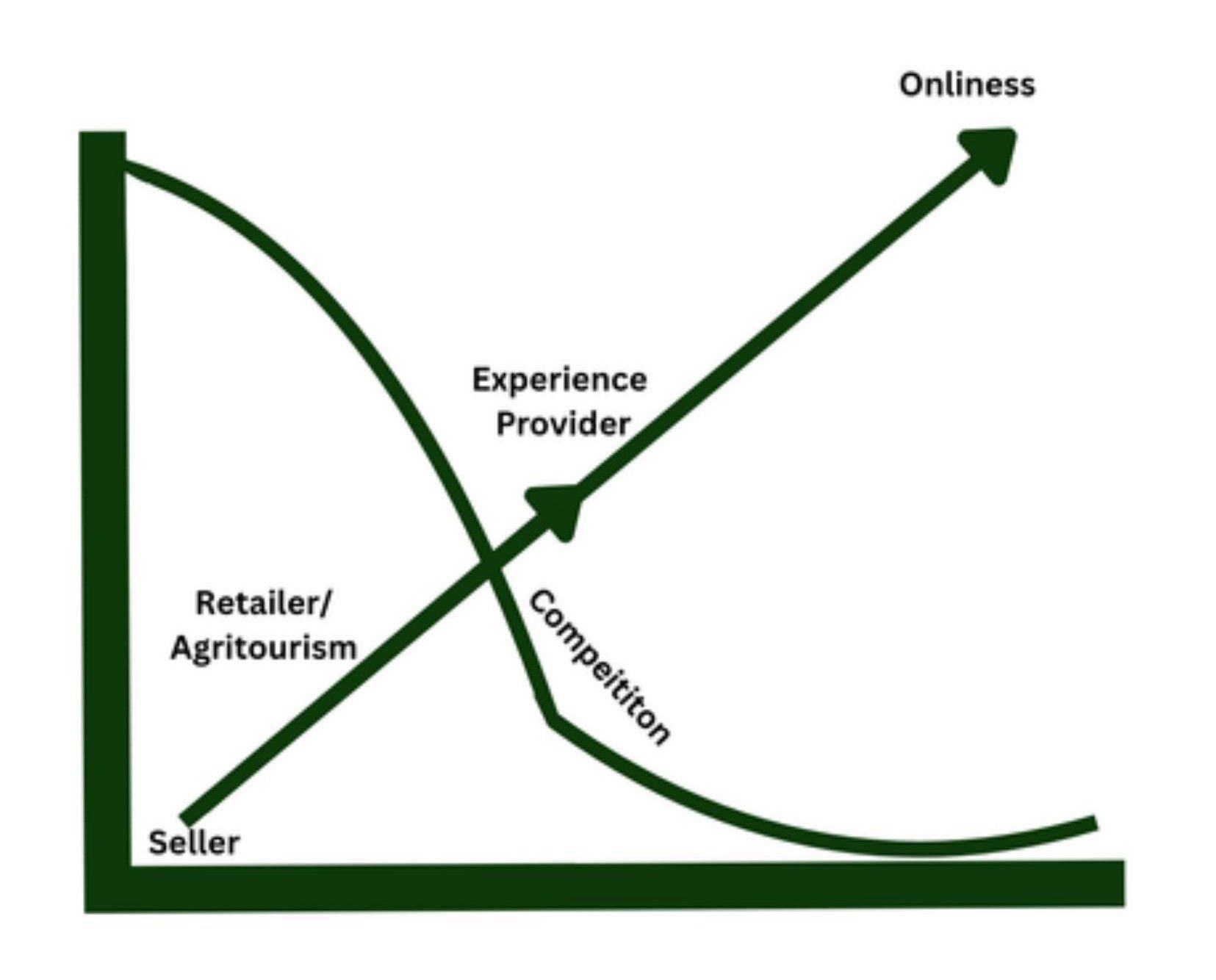
We live in interesting times. Consumers have fewer dollars in their pockets and are more selective where they spend them. Plus, farms, like other businesses, are seeing the cost of doing business become more expensive. What happens now? As in the past, most businesses in challenging times will reduce their marketing and pull up the hatches to try and weather the storm. These businesses will often fail in economic climates such as now. Other businesses will develop new strategies with the aim of growing their business and will be ready when the crisis finishes. How you manage your agritourism business depends on where you see yourself in the evolution of your business. Many of us started with a market stall on the side of the road selling our produce. We were “produce” sellers. Some farms stayed like that, while other farms evolved to the next level and became retailers or agritourism operators. We learned about the importance of signage, customer flow and merchandising, and our average sale and customer count went up. Having proven the formula to be right, some of these farms evolved into experience retailers who provided a retail or agritourism experience for our consumers. Many businesses plateau at this stage. The leaders developed again and became “Onliness” operators in their marketplace. They became the place to visit. Examples in our industry include Tully’s Farm in the UK and Willowtree Farm Market in Ontario. In a challenging world, many agritourism operators will find it difficult because of the competition, while the “Onliness” operators will develop their market niche and often grow their business because they are the venue of choice in their catchment area. They are “Unique” in the consumer's mind and not seen as a “me too” operator. Consumers want to escape the urban environment and have time in the country. They want to venture to somewhere that is memorable and get the strategy right; they will help with your marketing. Now is the time to develop your business by identifying what makes you unique and developing a business and marketing plan to grow the business. The Agritourism Training Academy is a comprehensive online training program for Agritourism operators. The Academy is operated by John Stanley and his daughter, Lara. To learn more, visit www.agritourismtrainingacademy.com
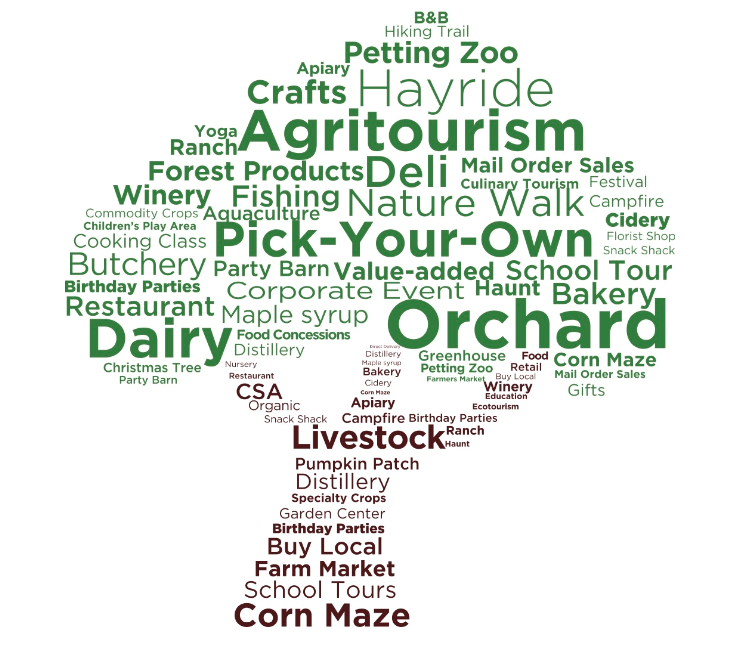
Most people think they know what agritourism is. A farm. A pumpkin patch. Maybe a seasonal festival. And while those are agritourism… they’re only a small part of it. The bigger truth? A lot of destinations—and businesses—are already doing agritourism. They just don’t realize it yet. Let’s Start With the Definition At its core, agritourism is simple: Agritourism is an agricultural enterprise attracting visitors to a farm or ranch to experience a connection with agriculture production and/or processing through entertainment, education, and/or the purchase of farm products. That definition—commonly used by NAFDMA International Agritourism Association—is intentionally broad. Because agritourism isn’t about where you are. It’s about how people experience agriculture. So… How Do You Know If You’re Agritourism? Here’s the easiest way to think about it: If a visitor can engage with agriculture at your business or in your destination— you’re in the agritourism space. That engagement might look like: Having fun Learning something Eating or drinking something Buying something connected to agriculture If one (or more) of those is happening… you’re not adjacent to agritourism. You’re in it. All the Ways You Might Already Be Doing Agritourism You’re Agritourism If You… …Invite people onto a farm U-pick orchards Animal encounters Farm tours …Host events tied to agriculture Harvest festivals Bloom seasons (lavender, sunflowers, tulips) Pollinator or nature-based events …Serve food or drinks connected to agriculture Farm-to-table meals Wineries, cideries, breweries Tastings and culinary experiences …Sell products grown or made from agriculture Farm markets Value-added goods (jams, baked goods, honey) Branded farm products …Create experiences designed for fun on agricultural land Corn mazes Hayrides Playgrounds and attractions …Teach people something about agriculture Workshops Classes Demonstrations …Offer a place to stay connected to agriculture Farm stays Glamping Cabins on agricultural land …Connect multiple experiences across a destination Farm trails Local food routes Partnerships between farms, restaurants, and lodging If you checked even one of these… You’re not “considering” agritourism. You’re already doing it. The Real Question Isn’t If—It’s How Well Most destinations don’t need to “add” agritourism. They need to: Recognize what they already have Connect the pieces Design the experience more intentionally Because the real opportunity is in building an ecosystem where: Visitors stay longer Spend more And leave with a stronger connection Final Thought Agritourism isn’t a label you earn. It’s a lens you apply. And once you start looking through it, you realize: You were closer to it than you thought.
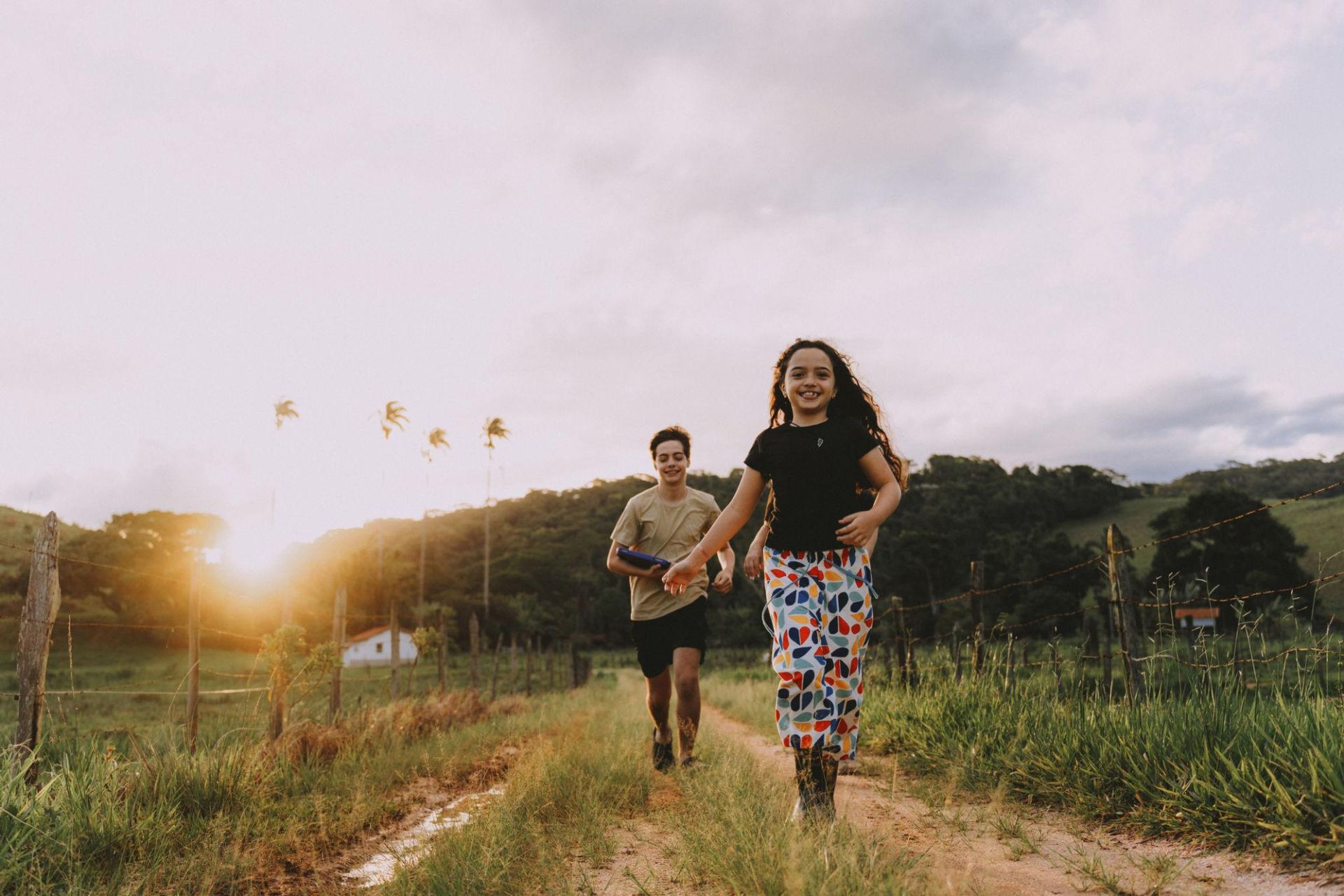
How Sharing Your Farm’s Unique Story Brings Guests Back Again and Again
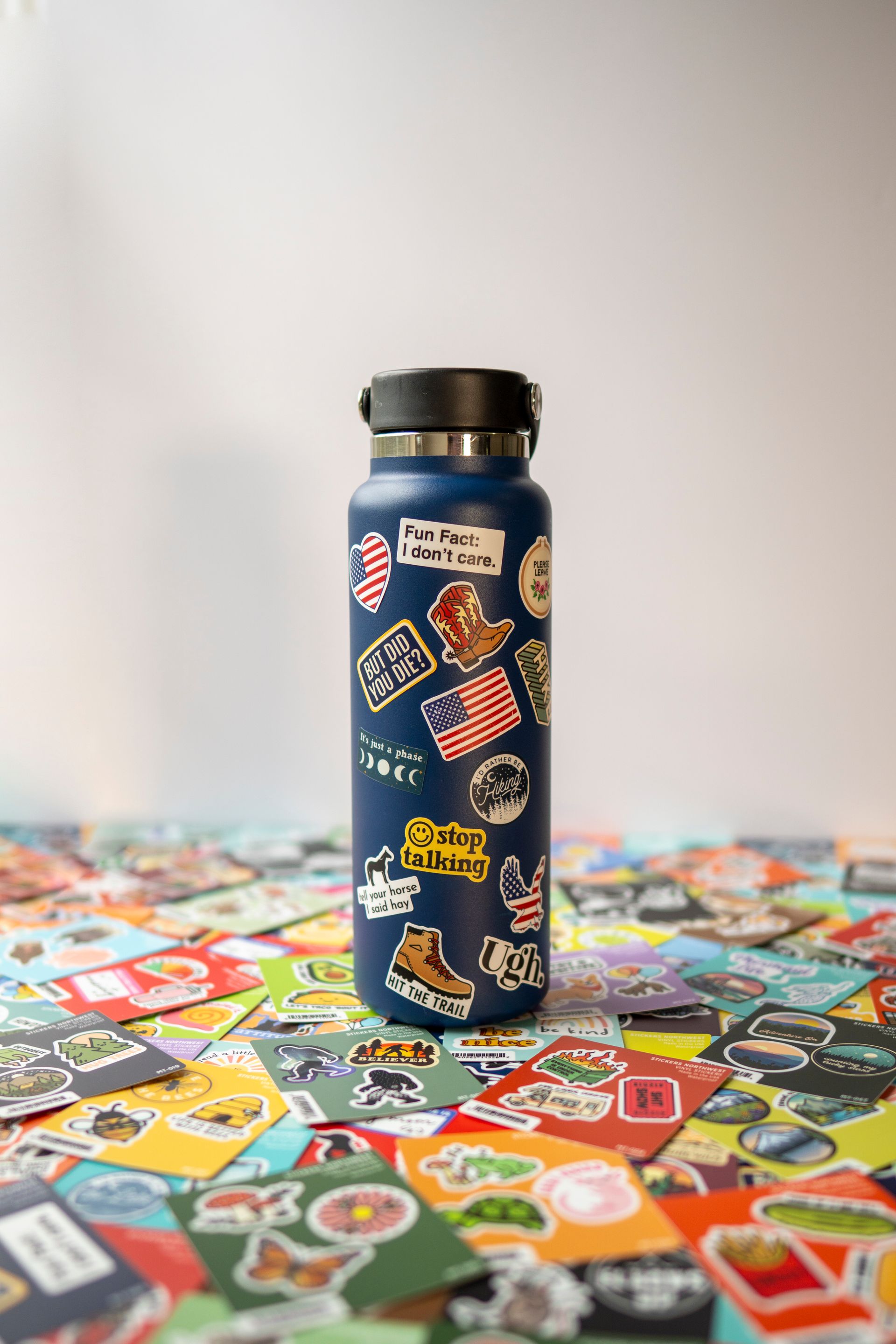
Why Custom Stickers Are a Must-Have Retail Item for Farm Stores & Gift Shops
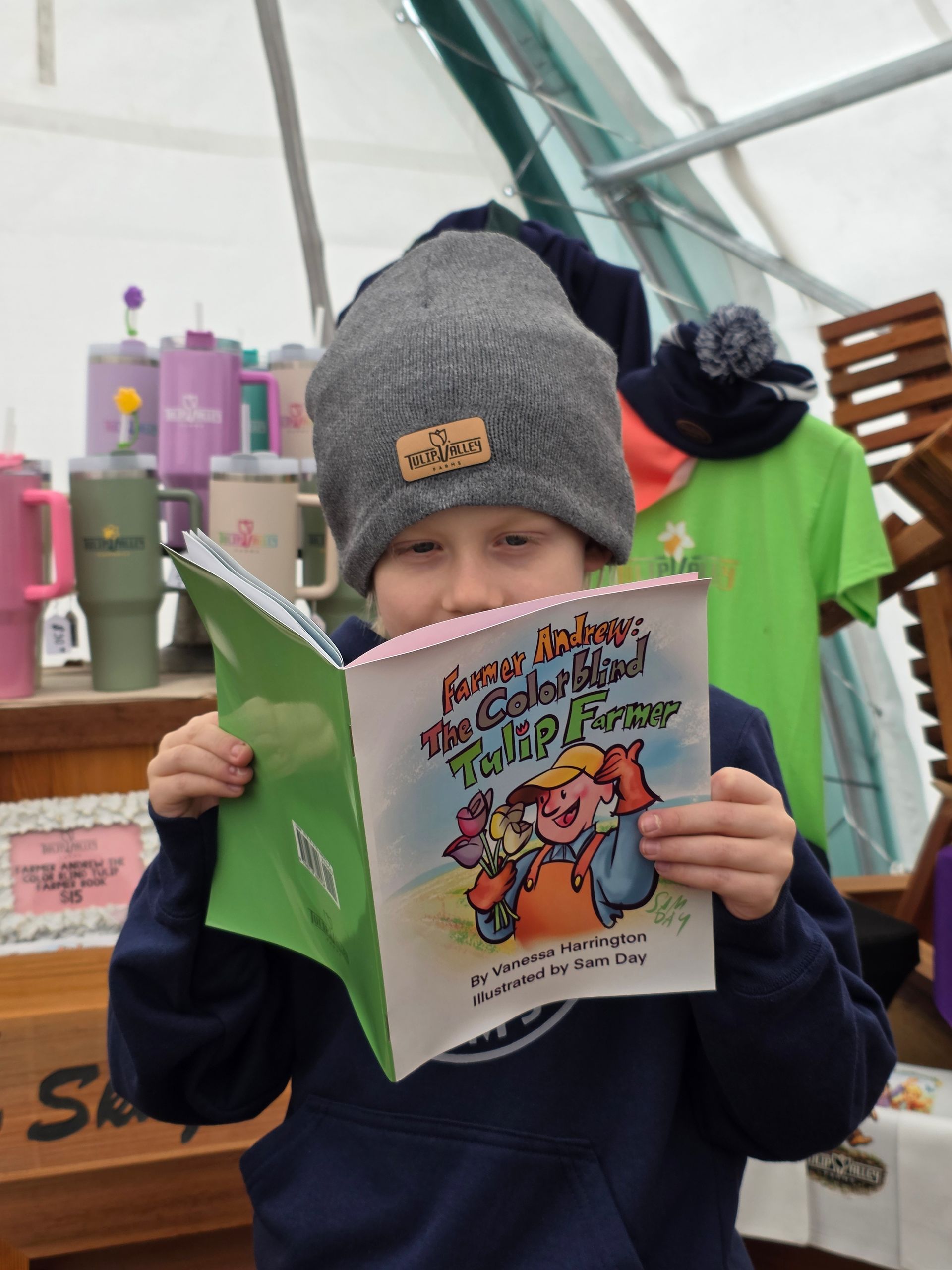
An Interview with Vanessa of Tulip Valley Farms
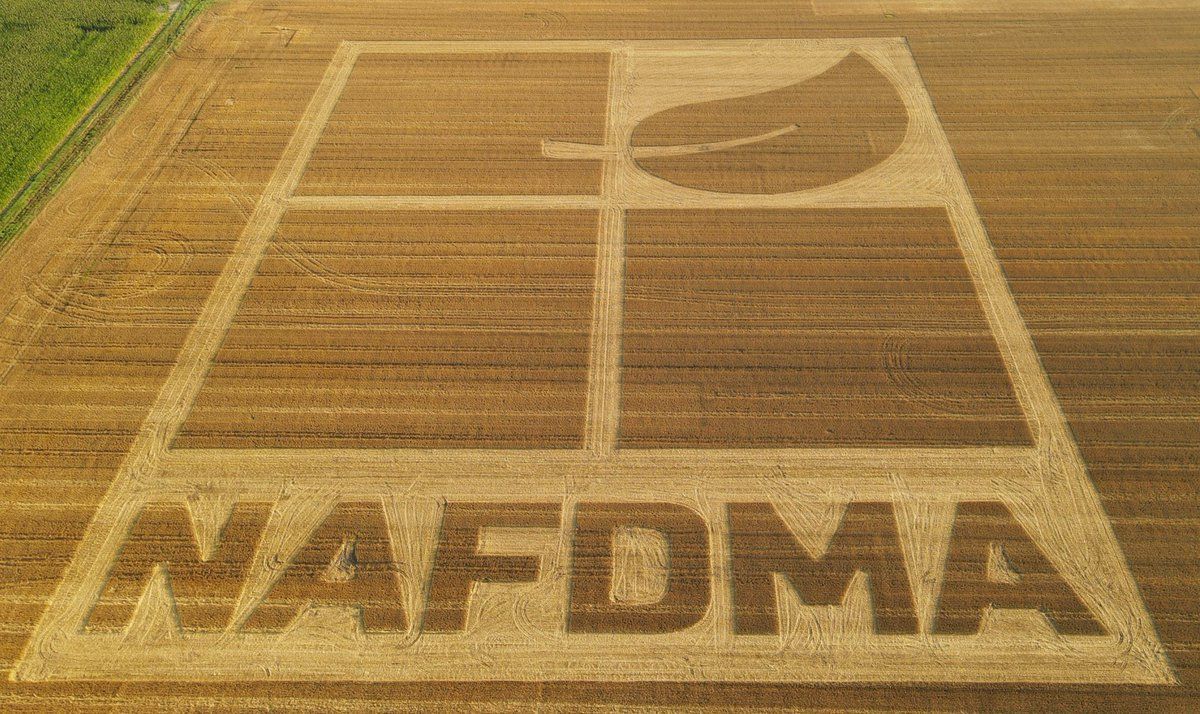
Every agritourism operation relies on partners. From the tools you use to run your business, to the products you sell, to the experiences you create for your guests—behind every decision is a vendor, a supplier, or a service provider. But finding the right partners? That’s not always easy. That’s why NAFDMA has built something incredibly valuable for its members: a curated network of trusted partners —paired with exclusive savings. A Network You Can Trust Not all vendors understand agritourism. And that matters. NAFDMA partners are not random listings—they’re businesses that have chosen to invest in this industry and support farms like yours. Many are already working with agritourism operations, which means they understand: Seasonal demands and peak traffic Guest experience expectations Operational challenges unique to farms The importance of safety, durability, and efficiency Instead of starting from zero, you’re starting with vendors who already understand your world. Savings That Go Beyond the Surface Yes—there are discounts. But this benefit is about more than just a lower price. Through NAFDMA’s partner network and savings programs, members can access reduced pricing on a wide range of business needs—and even personal expenses. It can include things like: Business supplies and equipment Marketing tools and services Travel and lodging Fuel and everyday operational costs In fact, collective buying programs connected to NAFDMA have helped members save significantly on everyday purchases—sometimes averaging notable cost reductions across multiple vendors. It’s not just a perk—it’s a strategy for running a more efficient business. Better Decisions, Less Guesswork Choosing a vendor can feel like trial and error. Will they deliver on time? Will their product hold up? Will it actually work for your farm? With NAFDMA partners, you’re not making those decisions alone. You’re backed by: A network of members who have worked with these vendors Industry familiarity that reduces miscommunication Proven solutions already being used on farms It turns vendor selection from a gamble into a more confident, informed decision. Built-In Opportunities You Might Not Expect Some of the biggest value comes from opportunities for which you might not even be looking. Through NAFDMA partnerships, members can access things like: Special deals tied to industry markets and events Cost-saving opportunities when attending wholesale shows Connections to new product lines that increase retail revenue For example, NAFDMA has coordinated benefits like reduced travel costs and perks at wholesale markets—helping farms discover new products while lowering the cost of attending. It’s not just about saving money—it’s about unlocking new revenue opportunities. A Smarter Way to Grow At the end of the day, every dollar you save—and every smart partnership you make—has an impact on your farm. NAFDMA’s partner network helps you: Spend more strategically Find vendors faster Reduce risk in your decisions Discover new ideas and products Because growth isn’t just about what you add. It’s about how wisely you choose what supports your business. Ready to connect with partners who understand your farm—and help you run it more efficiently? Explore NAFDMA membership and start taking advantage of exclusive partner benefits . Visit NAFDMA.com to learn more.
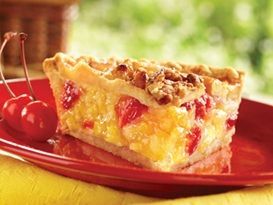
At Gardner Pie , we know that great pie programs start with the classics—but real growth comes from keeping things fresh, exciting, and impossible to resist. A strong daily lineup should always include customer favorites like Apple, Cherry, Blueberry, Peach, and Strawberry Rhubarb. These tried-and-true flavors build consistency and trust with your customers. As the seasons change, so should your offerings. Adding fall favorites like Pumpkin, Pecan, and Sweet Potato creates timely excitement and taps into seasonal cravings that drive sales. But if you really want to boost repeat visits and increase impulse purchases, consider introducing a Pie of the Week or Month . This strategy gives your customers a reason to return again and again—eager to see what’s new. At Gardner Pie, we’re known for our commitment to Quality, Variety, and Innovation , and our unique flavor combinations help set retailers apart. Specialty options like: Churro Apple Dark Chocolate Cherry Blueberry Lemon Buckle Pineapple Upside Down Very Berry …add a sense of discovery to your display and turn everyday shoppers into loyal fans. Rotating these specialty pies keeps your bakery case dynamic and engaging—encouraging customers to try something new each visit. Built on Tradition, Crafted for Today Gardner Pie is a third-generation, family-owned company dedicated to producing high-quality fruit pies with a true homemade feel. We use only whole fruit and fresh apples, combined with tapioca starch, sugar, and carefully selected spices. Our signature crust is made in small batches to ensure the perfect flaky texture and rich, homemade flavor. From classic lattice to unique top crust designs, every pie is crafted to look just as good as it tastes. Ready to Refresh Your Pie Program? Bring more variety, excitement, and repeat traffic to your store with Gardner Pie. Visit: www.gardnerpie.com to learn more.
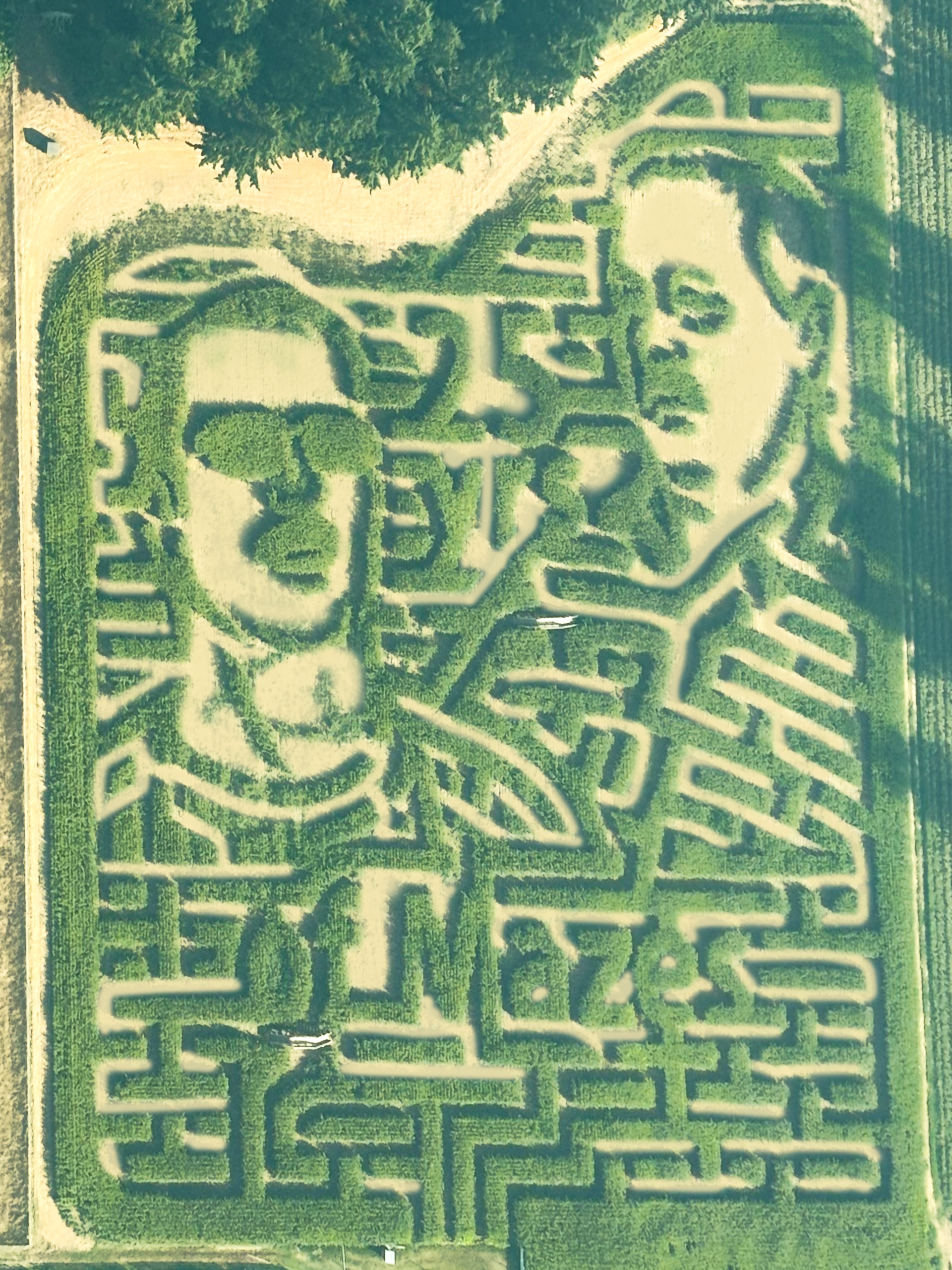
Across agritourism, farms are discovering that one of the most powerful experiences they can offer guests isn’t just pumpkins, corn mazes, or fall treats — it’s story .

Supporting the People Behind the Produce Running a farm is deeply rewarding — but it can also be demanding, exhausting, and emotionally heavy. Long hours, seasonal pressure, family responsibilities, and the unpredictability of agriculture can make it difficult to maintain balance between work and personal well-being. At NAFDMA, we believe supporting farms means supporting the people behind them . That’s why our Education Center includes resources focused on mental health, wellness, and work-life balance for farm operators and their teams. These sessions from NAFDMA speakers and members offer practical strategies, honest conversations, and encouragement for navigating the realities of farm life while protecting your physical and emotional well-being. Below are a few examples of what awaits you in NAFDMA's Education Center ! To access these resources: Visit NAFDMA.com Click on Education Center Log in to your account Scroll to the bottom of the page and select Work-Life Balance Mental Health on the Farm This powerful session opens the door to an important conversation happening across agriculture: mental health. As the stigma surrounding mental health begins to fade, more farmers are sharing their experiences and supporting one another. In this session, Christy Heimstra of Clovermead Adventure Farm, Phil Quinn of Quinn Farm, and Colleen McKay of Your Farm Market share personal stories of navigating mental health crises that impacted their families and businesses. Their experiences remind us that no one in the NAFDMA community has to face these challenges alone. Yesterday’s Gone: Thriving in Your Business Today Presented by Bob Phibbs This session focuses on practical strategies for resetting your mindset and creating positive momentum in your daily routine. Bob Phibbs shares tips for starting and ending each day with intention , along with an interactive exercise designed to build a “positive energy shield” to help you stay focused and energized in your work and leadership. Staying Emotionally and Physically Healthy on the Farm Presented by Deanna Black Balancing health and business during a busy farm season is no easy task. In this workshop, Deanna Black explores how farms can support both financial wellness and personal wellness . Topics include: Developing pricing systems and programs that support both profitability and personal balance Reframing the “J.O.B.” mindset — Justifying Others’ Business vs. Joy of Being Maintaining physical wellness during the busiest parts of the farm season Keep Calm and Farm On Presented by Deanna Black Stress is inevitable in farm life — but managing it effectively is a skill that can be learned. This session helps participants: Recognize stress triggers and behavioral tendencies Identify activities that restore energy and focus Utilize tools and resources that support healthier stress management both at home and on the farm Wellness vs. Fitness Within Farm Life Presented by Deanna Black Wellness and fitness are often used interchangeably, but they are not the same. This session explores how farmers can understand the difference and create realistic strategies for maintaining both. Participants will: Learn the benefits of both wellness and physical fitness Identify areas of life that support — or hinder — health Develop two practical wellness programs: one for peak season and one for the off-season Positive Farm Fitness Presented by Deanna Black Being healthy on the farm doesn’t require gym memberships or complicated routines. This session focuses on simple, sustainable ways to maintain energy, happiness, and productivity throughout the season. Participants will discover how small moments of movement, laughter, and intentional care can make a significant difference in both personal well-being and farm performance. A Healthier Farm Starts with a Healthier Farmer Agritourism is built on passion, hospitality, and community. But none of those things can thrive if the people running the farm are burned out or overwhelmed. Taking time to care for your mental, emotional, and physical health isn’t a luxury — it’s an investment in your farm, your family, and your future. The NAFDMA community is here to support you every step of the way.

You can hear it before you see it. That squeal. That belly laugh. That unmistakable thud-bounce-thud rhythm of kids launching themselves into pure joy. Walk into any thriving agritourism destination and you’ll spot it fast — a sea of flying hair, flailing arms, and parents pretending they’re “just supervising” while secretly wishing it was their turn. A Jumping Pillow® isn’t just an attraction. It’s energy. It’s connection. It’s family time disguised as fun. It’s revenue wrapped in laughter. And when placed intentionally? It becomes one of the hardest-working assets on your property. What Is a Jumping Pillow® — and Why It Works The Jumping Pillow® is a patented inflatable play surface designed to bring hours of fun to guests of all ages. With more than 30 years of experience and thousands of installations worldwide, Original Jumping Pillows has perfected not just the product — but how it performs as a business booster for farms, attractions, camps, resorts, and parks. Unlike standard inflatables, Jumping Pillows® are: Engineered for safety and durability with certified materials built to withstand heavy, daily use Customizable in size and color to match your layout and branding Fully insurable and compliant , something experienced operators deeply value This isn’t a temporary attraction. It’s infrastructure for engagement. The Business Opportunity: Engagement That Pays Attraction elements are only as valuable as the memories they help create — and the revenue they help sustain. Jumping Pillows® do both. 1. They Draw Foot Traffic — and Keep Families Longer Kids can’t resist them. And when kids stay longer, adults stay longer too. More time on your property means: More meals purchased More merchandise sold More add-on experiences booked Length of stay is one of the strongest revenue indicators in agritourism. A jumping pillow naturally extends it. 2. They Boost On-Site Revenue Whether included in admission or offered as a premium experience, a Jumping Pillow® creates a clear reason for guests to say “yes.” It’s visible. It’s tangible. It feels like value. And it often becomes the reason families return next season. 3. They Enhance Social Share-ability In today’s digital world, joy is marketing. A vibrant jumping pillow setup becomes a photo magnet — bright colors, mid-air laughter, wind-blown hair. Guests capture it. Tag it. Share it. Free promotion. Real families. Authentic excitement. Actionable Ways to Feature a Jumping Pillow® Smart placement and programming amplify impact. Here’s how operators maximize theirs: Gateway Placement Position it near your entrance or main lawn so guests see it immediately. First impressions matter. Seasonal Events Pair bounce sessions with themed days — fall festivals, summer splash events, even holiday light nights. Tiered Pricing Offer structured play times: First 30 minutes included with admission Extended time available for a small fee It creates natural up-sell opportunities without feeling forced. Package Play With Merchandise The pillow experience opens doors for retail — just like successful farms pair play with products. Consider: “I Bounced Here” kids’ tees Branded water bottles for warm days Jumping Pillow® keychains or stickers Small purchases. Big emotional payoff. The Takeaway A Jumping Pillow® isn’t just another play structure. It’s an engagement engine. A photo magnet. A revenue driver. When placed intentionally and marketed creatively, it becomes more than a feature — it becomes part of your farm’s identity. And in agritourism, identity drives loyalty. Loyalty drives return visits. And return visits drive sustainable growth.
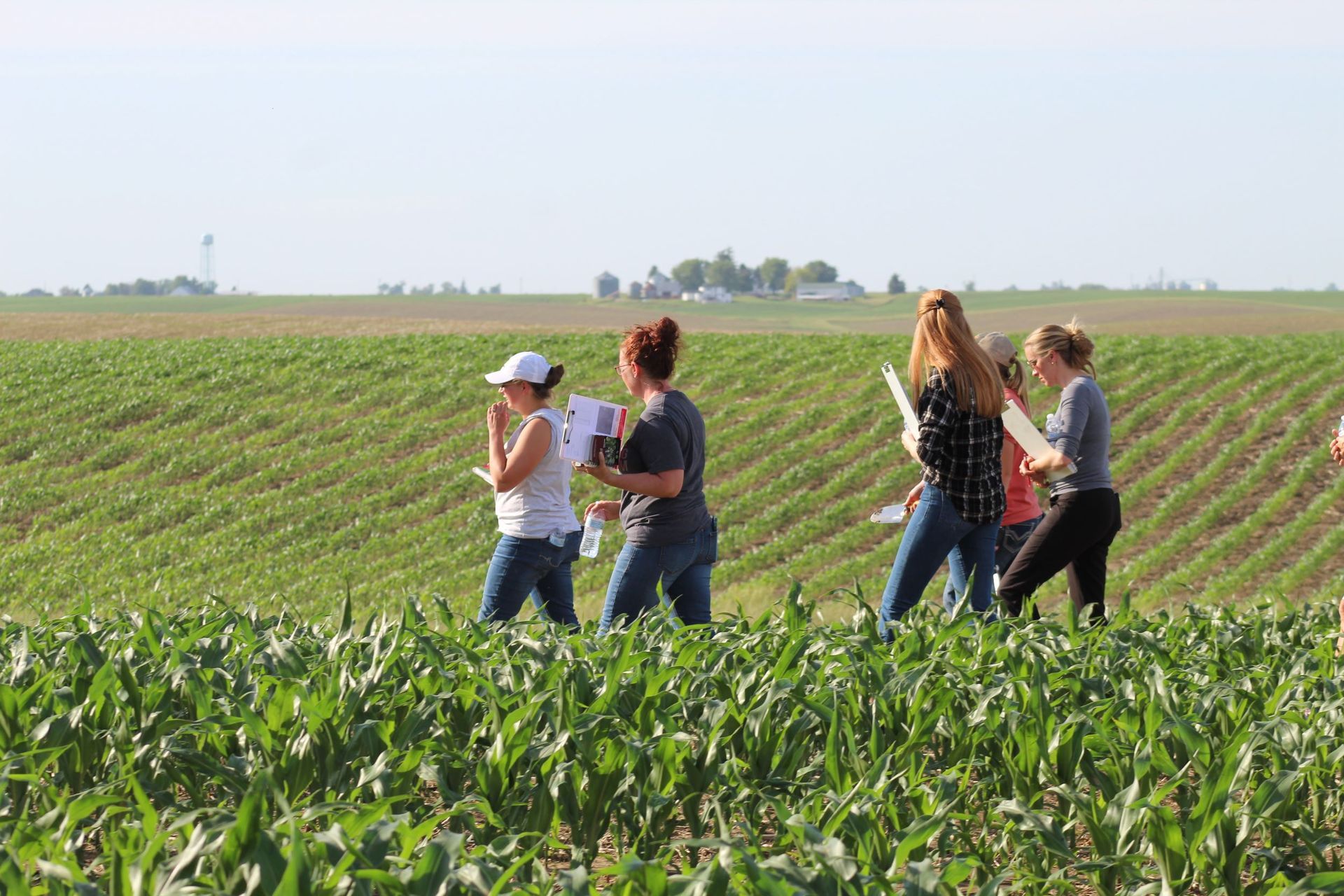
What if the biggest return on investment you’ll ever see isn’t a new attraction, a better marketing plan, or even higher attendance…What if it’s the people?
There’s something truly special that happens when passionate people gather with a shared purpose — and that magic was on full display at the 2026 NAFDMA Convention & Expo in Orlando. From the moment everyone arrived, the energy, connection, learning, laughter, and heartfelt conversations reminded us why this community is so powerful. On behalf of the entire NAFDMA team, THANK YOU for showing up, leaning in, sharing openly, and making this year’s convention one of our most meaningful yet.
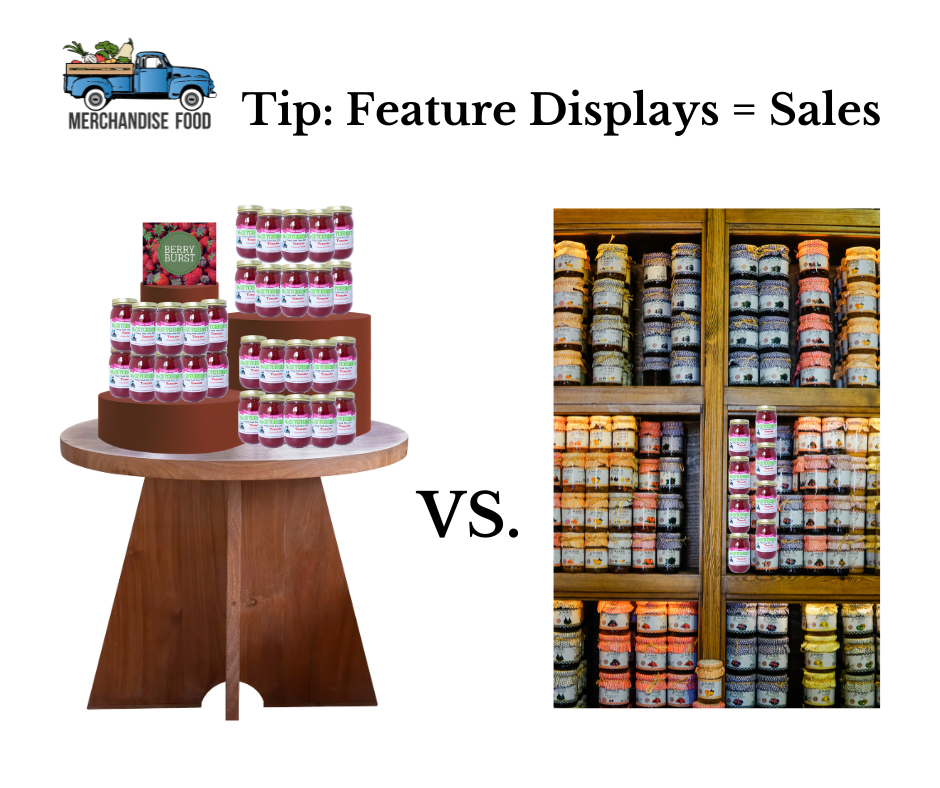
Too often, unique, high-value seasonal items remain lost on shelves, unable to compete with the sheer volume of surrounding jars and packages in a sea of monotony. Identify one " sleeper product " each season—a special jam, a gourmet baking mix, a heritage squash variety—and give it the dedicated display it deserves. The Opportunity: When you isolate a single item and present it powerfully, you create exclusivity, rarity, and urgency . This strategy focuses the customer's buying energy on a high-margin, seasonally relevant star . Actionable Tip: Create a monumental feature display for that one product, ideally placed at the store entrance or in a highly trafficked area. Use dramatic height, premium signage that tells the product’s unique story (e.g., "The Forgotten Heirloom: Our Great-Grandmother's Winter Squash"), and focused lighting . On a smaller scale, highlighting a niche item on a dedicated, small table can raise awareness and encourage impulse buying. By giving a single product this "shout-out" moment, you transform it from a commodity on a shelf into a must-have seasonal treasure .